


21 December 2020
FACSA defends its circular economy model for the integrated water cycle in the latest debate on the SDGs at Levante EMV
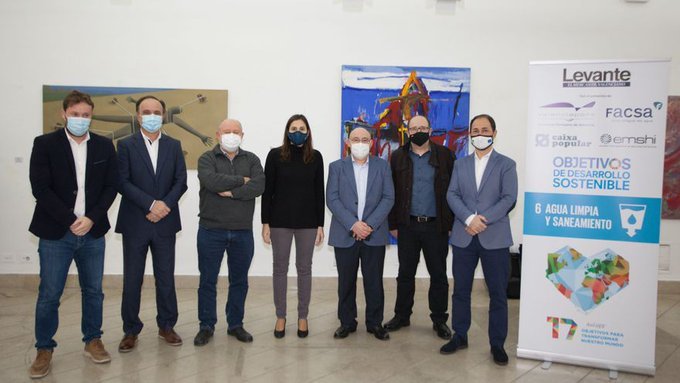
Levante EMV focused its latest breakfast briefing on Sustainable Development Goal (SDG) number 6, related to clean water and sanitation. The event, part of a series of conferences organized by the newspaper to promote the 17 SDGs of the United Nations, was attended by Jose Claramonte, CEO of FACSA.
“One of the biggest challenges we face is beginning to manage water as a scarce and strategic resource, so we must consider how best to guarantee its survival and quality.” This is what Claramonte stated during the meeting, where she defended the need to implement a new water management model based on long-term strategic planning and reuse, evolving from a linear to a circular model. This new model prioritizes the decentralization of wastewater treatment plants to reduce the carbon footprint and ensures the monitoring and control of the services provided.
In this regard, the director of FACSA stated that “much of what is currently labeled as waste can be a resource.” He affirmed that this labeling can only be transformed through a change in perspective and legislation towards water circularity.
The meeting on SDGs - held at the Club Diario Levante - also included the participation of the councilor for the Integrated Water Cycle of the Valencia City Council and president of Emshi, Elisa Valía; the manager of Epsar, Augusto Montamarta; the director of the Chair of Circular Economy of the UV, Francesc Hernández; the general director of Natural Environment and Environmental Assessment of the Generalitat, Benjamín Pérez; the representative of Ecologists in Action, Paco Sanz and the councilor of the Strategy, Innovation and Economy area of the Torrent City Council, Andrés Campos.
Related news


Need help?
We are here for whatever you need