


12 June 2023
Facsa is part of a project that will develop new technologies to help anticipate when and where cyanobacteria will bloom.
Freshwater is a scarce resource threatened by multiple factors such as population growth, pollution, and drought. Furthermore, it must be monitored and conserved to guarantee increasingly demanding quality standards for human consumption, as it is the source of most drinking water.
It is important to note that cyanobacterial blooms in reservoirs currently pose a significant threat to public health and the environment. This is because the production of toxic metabolites, called cyanotoxins, has both short- and long-term effects on human health.
In this context, the processes carried out in drinking water treatment plants take on particular importance. Monitoring could provide early warning of the presence of cyanobacteria and, likewise, allow for timely decisions to be made at the water treatment plants to produce drinking water of suitable quality for human consumption.
This is how the CYANOA project came about, with the aim of providing new technologies and tools to help water treatment plants anticipate when and where cyanobacteria will bloom, in order to determine the necessary treatments to meet the parametric values required by legislation.
Until September 2025, the research team, comprised of FACSA, the Complutense University of Madrid, Eurofins Iproma, and the Autonomous University of Madrid, will develop, on the one hand, an Autonomous Surface Vehicle (ASV, a robotic aquatic drone) capable of monitoring cyanobacteria blooms in real time, and on the other hand, a model of the reservoir under study, including its hydrodynamics, ecology, and toxicology. Finally, this project, in which FACSA participates , will develop a digital information management solution based on geographic information systems with an integrated decision support system trained using machine learning techniques.
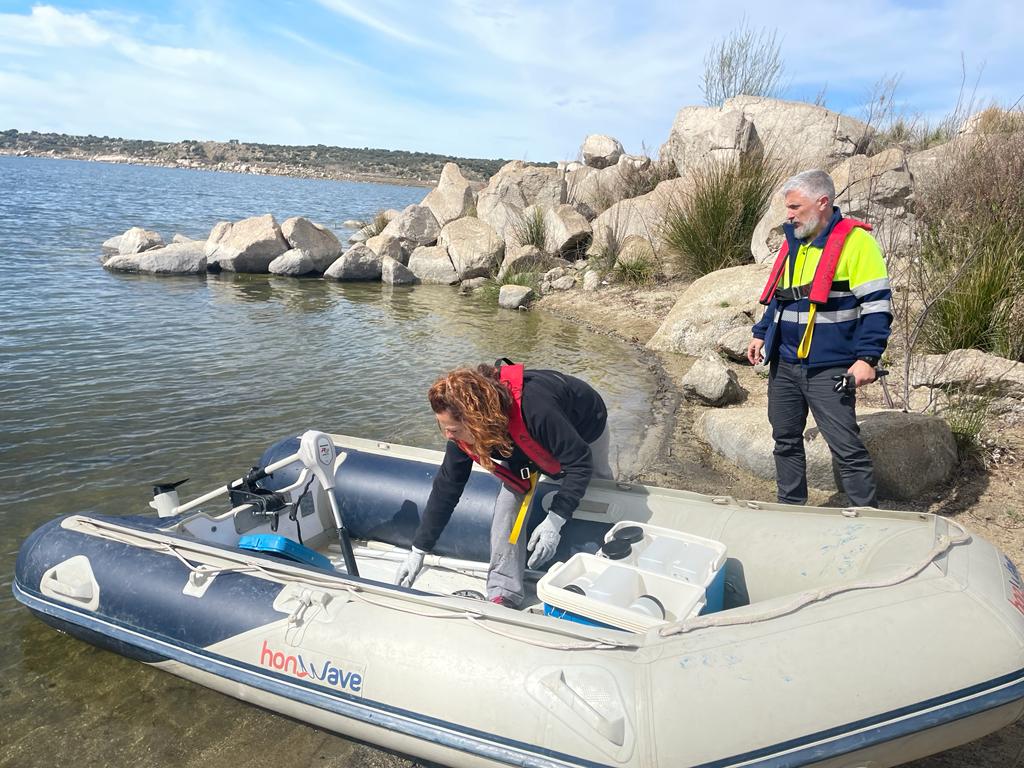
These pilot tests are being carried out at the Guajaraz reservoir (Toledo), in collaboration with the Toledo City Council and the Tagus River Basin Authority.
CYANOA, with a budget of almost 800.000 euros, is subsidized by the Ministry of Science and Innovation, the State Research Agency, within the Recovery, Transfer and Resilience Plan, and the European Union's NextGenerationEU/PRTR.
Related news


Need help?
We are here for whatever you need