


13 October 2022
Facsa is investing in Deep Learning, Artificial Intelligence and autonomous drone projects in the fifth edition of the Corporate Program with Lanzadera
From all the proposals submitted in the fifth call for applications for the FACSA and LanzaderaCorporate agreement , the company has decided this year to support these three innovative projects: Dcycle and Siali, both participating in the Lanzadera program, and Hovering Solutions. These three startups enrich the range of technological solutions that the company offers under the Waternology brand. Specifically, with this selection, Facsa is committed to projects based on Deep Learning, Artificial Intelligence, and the use of autonomous drones in the Integrated Water Cycle facilities managed by the company.
The first of the selected startups, Dcycle, has developed a tool that automates and simplifies the accurate calculation of carbon emissions. The digitization of data and its analysis using artificial intelligence will provide the company with more precise daily control over carbon emissions at its facilities. In this way, Facsa will achieve its goal of minimizing greenhouse gas emissions, thus contributing to more sustainable development.
On the other hand, the startup Siali's initiative focuses on computer vision using deep learning, a sophisticated branch of artificial intelligence. In this instance, the collaboration with the startup will allow for more precise and efficient continuous monitoring of one of the wastewater treatment plant's processes through the automatic and intelligent analysis of images captured by cameras. This will enable the detection of any unforeseen events, visually detectable, the moment they occur, without requiring the presence of plant personnel. This will improve response agility and optimize the facility's resources, allowing for the fastest possible reaction time.
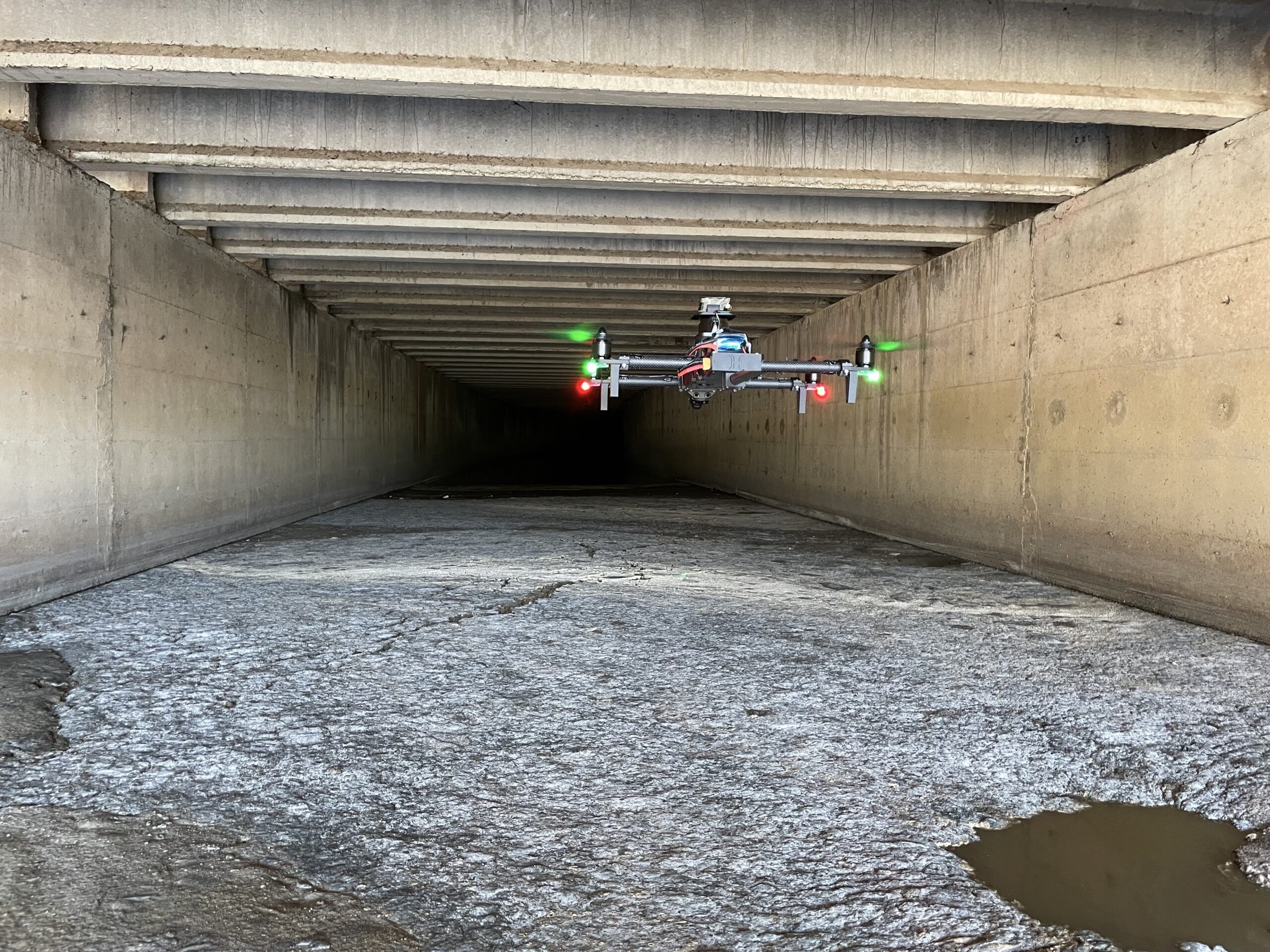
Finally, Hovering Solutions' work focuses on the safe inspection of hard-to-reach underground areas using autonomous drones, meaning they don't require a pilot. These drones also create high-resolution 3D maps of the area, enabling data acquisition and the detection of any defects in the pipeline. The goal of this collaboration is to create a 3D model of one of the company's sewer lines, allowing for more comprehensive monitoring and anticipating potential network failures.
To manage these proposals, different work teams have been defined, composed of Facsa personnel from the areas of Supply, Sanitation and Purification, Management Systems, Information Technologies and Operation Systems and New Business Development, thus offering the selected startups all the advice and support necessary for the development of these innovative services.
With these agreements, the company reinforces its commitment to the search for innovative solutions, support for the entrepreneurial ecosystem, and the application of the latest technological advances to the management of the complete water cycle.
Related news


Need help?
We are here for whatever you need