


7 December 2021
FACSA develops an intelligent digital system to monitor the quality of reclaimed water
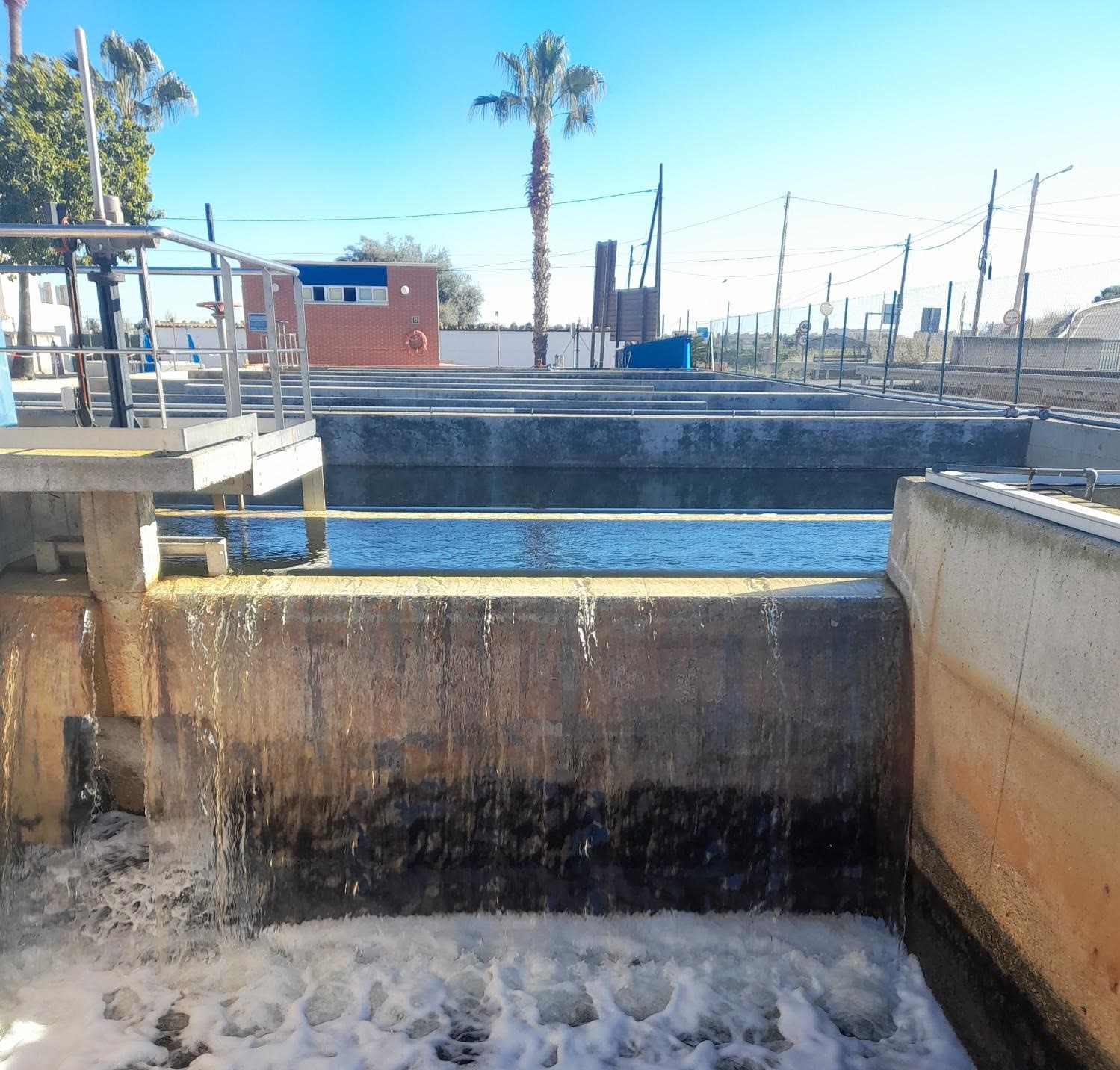
Improving the management of water regeneration processes through the automated integration of various data sources and on-site monitoring of its microbiological quality is the objective of SADAR, a project funded by the Valencian Innovation Agency (AVI).
This initiative will have a positive impact not only on the environment, by improving the quality of reclaimed water, but will also allow for an increase in the quality of reclaimed water destined for other uses, including agriculture, thereby combating current challenges such as water scarcity and the growing demand for this resource.
FACSA is the company in charge of coordinating this project, which seeks to develop an innovative platform for managing the quality of reclaimed water in terms of microbiological parameters. This platform will integrate real-time monitoring of reclaimed water quality and will add a biosensor to the conventional monitoring and management parameters of the systems already in place at Wastewater Treatment Plants (WWTPs).
The development of this digital solution follows other initiatives that FACSA has integrated under the Waternology brand, which brings together all the technological potential the company applies to the intelligent management of the entire water cycle through various digital tools. Specifically, it corresponds to the Waternology Services module, which encompasses process and operational digitization for service optimization.
It is worth noting that, during the process, a fully automated biosensor device will be developed, capable of detecting the microbiological indicators needed to ensure the quality and safety of reclaimed water use, in accordance with «Regulation (EU) 2020/741 on minimum requirements for water reuse. This information will be incorporated into an innovative digital platform, facilitating decision-making on the management of the existing water reclamation treatments at WWTPs.
The project, which began this year and will conclude in 2023, will be carried out in cooperation with Eurofins | IPROMA, a leading laboratory in environmental monitoring and analysis and part of the EUROFINS SCIENTIFIC Group, and BIOTICA, a biotechnology company at the UJI's Espaitec Science Park specializing in microorganism detection. It will also have the support of the Instituto Tecnológico de Informática (ITI), the Spanish Collection of Type Cultures (CECT), and the VISAFElab research group at IATA-CSIC, experts in virology; IOTSENS, a start-up specializing in sensors and Internet of Things (IoT) systems; and IDNEO Technologies, an engineering firm in the automation sector.
This project has been co-financed by the European Union through the European Regional Development Fund (ERDF) Operational Programme of the Valencian Community 2014-2020 (File number INNCAD/2021/95-96-101). Its duration is from 2021 to 2023, with a total implementation period of 30 months.
Related news


Need help?
We are here for whatever you need