


15 March 2022
COLICE allows real-time monitoring of pathogens to guarantee the quality of bathing waters in the city of Valencia
The presence of fecal bacteria such as Escherichia coli in bathing areas can lead to the closure of certain beaches when concentration levels do not guarantee good water quality. This is because there is currently no tool for assessing the microbiological status of water bodies.
In this context , COLICEemerges , which seeks, through the application of biosensors, an early detection of pathogenic microorganisms that allows continuous evaluation of water quality and determines the necessary actions to protect public health.
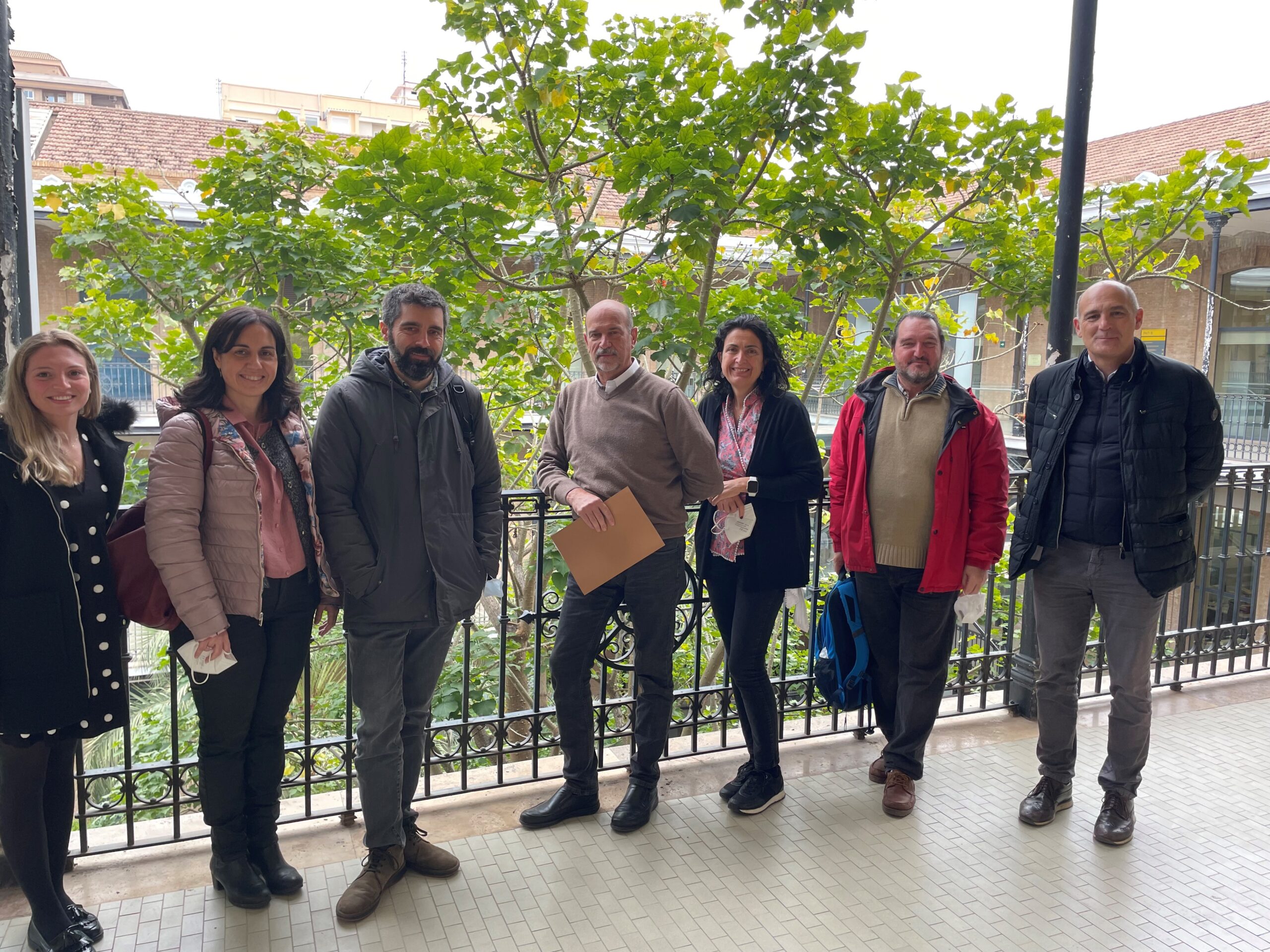
This initiative—developed by FACSA in collaboration with the IIAMA Institute of the Polytechnic University of Valencia and the Institute of Microelectronics of the Spanish National Research Council (CSIC)—was one of 16 projects accepted from over 200 proposals submitted. It has been funded by the Valencia City Council through the Department of Innovation and Knowledge Management as an innovation project focused on city missions that improve people's lives, in line with the Missions Valencia 2030 strategy, and is expected to last one year.
Specifically, this innovative platform will combine high-performance pre-concentration elements with miniaturized fluorescence detection optical components that enable the detection of E. coli. Furthermore, the tool will technically and economically evaluate the most suitable treatment system for eliminating microbiological contamination from water.
The project aims to monitor the presence of E. coli using two different techniques: a multiparameter probe that performs an indirect, real-time measurement, and a low-cost biosensor. It is worth noting that both measurements will be compared with laboratory culture analyses, and that the development of the low-cost device will allow for the simple and validated expansion of microbiological monitoring to numerous irrigation ditches.
Furthermore, COLICE will evaluate nature-based solutions (NBS) to enable their sustainable integration at urban/rural interface areas in the city of Valencia and the surrounding agricultural land. The initial proposal will be developed along the Séquia del Ribàs, an agricultural drainage canal that runs parallel to the Turia River and empties into the sea near Pinedo Beach.
Related news


Need help?
We are here for whatever you need