


24 January 2024
Orba recycles more than 75% of the waste generated in the municipality, almost double the amount required by the European Union.
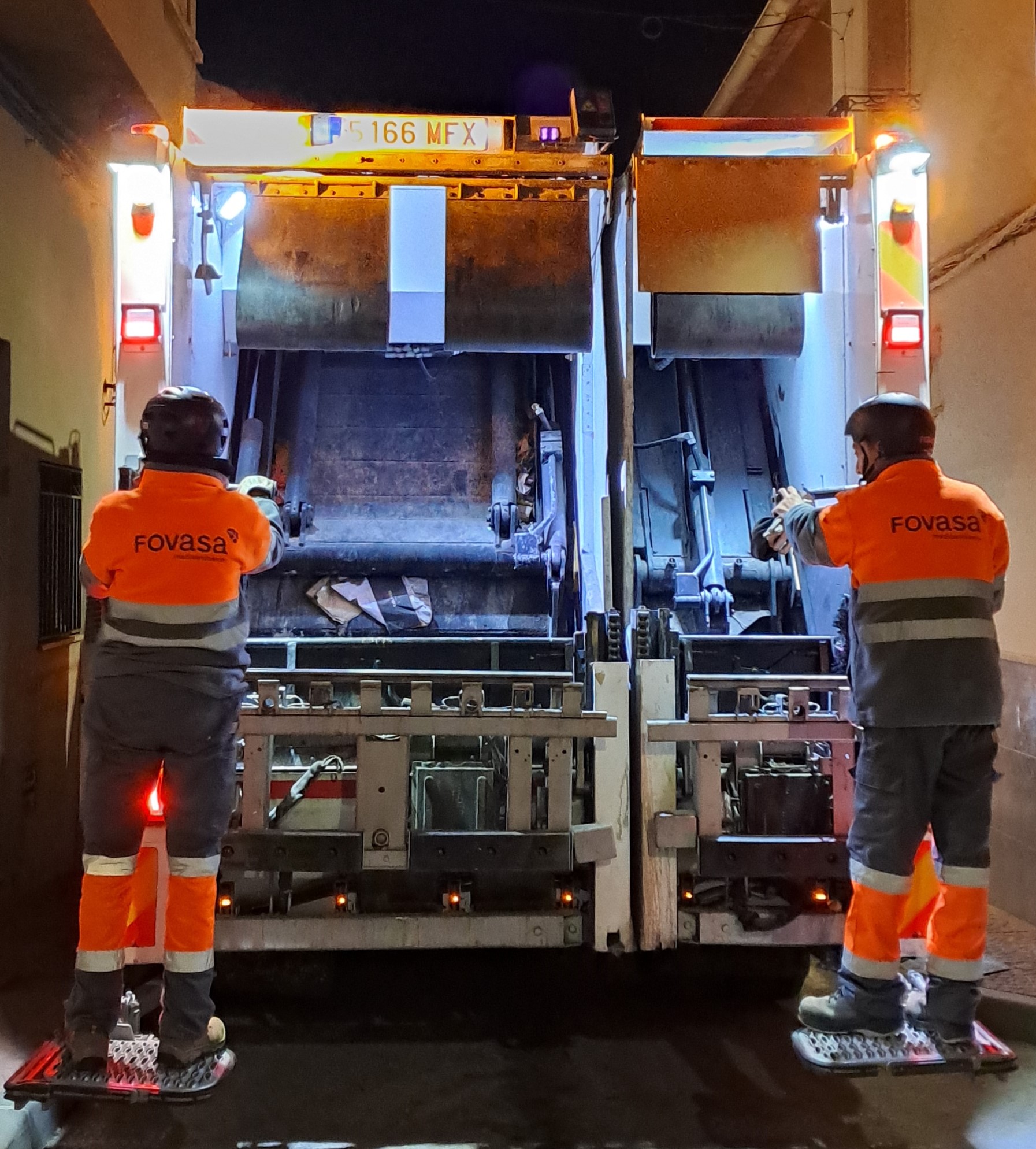
The Valencian municipality of Orba achieved, during the past year, the separation of 75% of the waste generated, a record figure that has made this municipality a benchmark.
To understand the importance of this figure, we must know that in Spain we currently have a serious problem in this area, so much so that, according to the latest data recorded, the recycling rate of urban waste in our country is just over 36%.
It is also worth remembering that in 2020 we failed to meet the recycling target set by the European Union and that everything indicates that the same will happen with the target set for 2025, which is to reach 55%.
Why does Orba have double the average recycling rate in Spain?
A highly efficient waste management system, the implementation of new waste fractions, and citizen involvement. These are three of the main reasons why Orba has become a model for the rest of Spain, but both the town council and Fovasa Medioambiente, the company that manages the service, agree on one key aspect: raising public awareness.
First, it is necessary to analyze the waste collection method, a door-to-door system that has been successfully implemented in Orba for several years. As its name suggests, it consists of handing over waste to the collection service in front of the door of the home or business. This collection is carried out according to a pre-established schedule, which is communicated to the nearly 2.400 residents through the environmental educators of Fovasa.
The door-to-door collection system is complemented by supervised and controlled drop-off areas, which aim to provide residents of housing developments with a place to separately dispose of the waste they generate in their homes. It is important to note that these areas are locked and can only be opened with a personal, non-transferable code.
And what fractions can be recycled in Orba? Six: organic, light packaging, paper and cardboard, glass, other waste, and recently the separate collection of hygiene products has been added.
The percentage that each fraction contributes to the total figure is an important piece of information to consider. It is worth highlighting the percentage of organic waste, which represents 32% of the total, well above the national average of 11%. The evolution of the fractions in recent years has been positive: 12% paper and cardboard, 17% light packaging, 13% glass, and finally, hygiene products, which, given their recent inclusion, barely account for 1%.
'Our goal is to continue reducing the annual waste generated, since the best waste is the waste that isn't generated. We started with the objective of reducing the residual waste fraction by 40%, and we are currently at 25%. That's why we know it's possible to continue progressing in this direction, and we have set ambitious goals such as reaching 85% selective collection in the short term thanks to the incorporation of the hygienic paper product fraction and the improvement of waste management at festive events, which we are convinced will help us reduce the residual waste fraction even further,' emphasized the mayor of Orba, Ignasi Cervera.
Environmental education
The town council and Fovasa provide the public with a wide range of resources to facilitate recycling; however, Cervera emphasized that “our success is not based solely on the constant improvement of the service and infrastructure. It is the residents of Orba who have truly grasped the importance of recycling and have made it a daily habit.”
Environmental education has been fundamental in this case, as explained by those responsible at Fovasa: “Having an environmental educator who answers all questions, designs, organizes and carries out awareness campaigns is vital to achieving the recycling figures obtained in this municipality.
It is worth noting that in Orba, the coordination between citizens and the collection service is so good that when celebrations take place, residents can contact the municipality's environmental educator to coordinate the collection of waste generated during the event.
Through environmental education, we teach how what may seem like a small effort to us can have a huge global impact. It's essential that people are aware of this.”
Related news


Need help?
We are here for whatever you need