


26 May 2021
FOBESA promotes the circular economy in schools with the installation of a new composter at the Luis Gosálbez school in Tibi
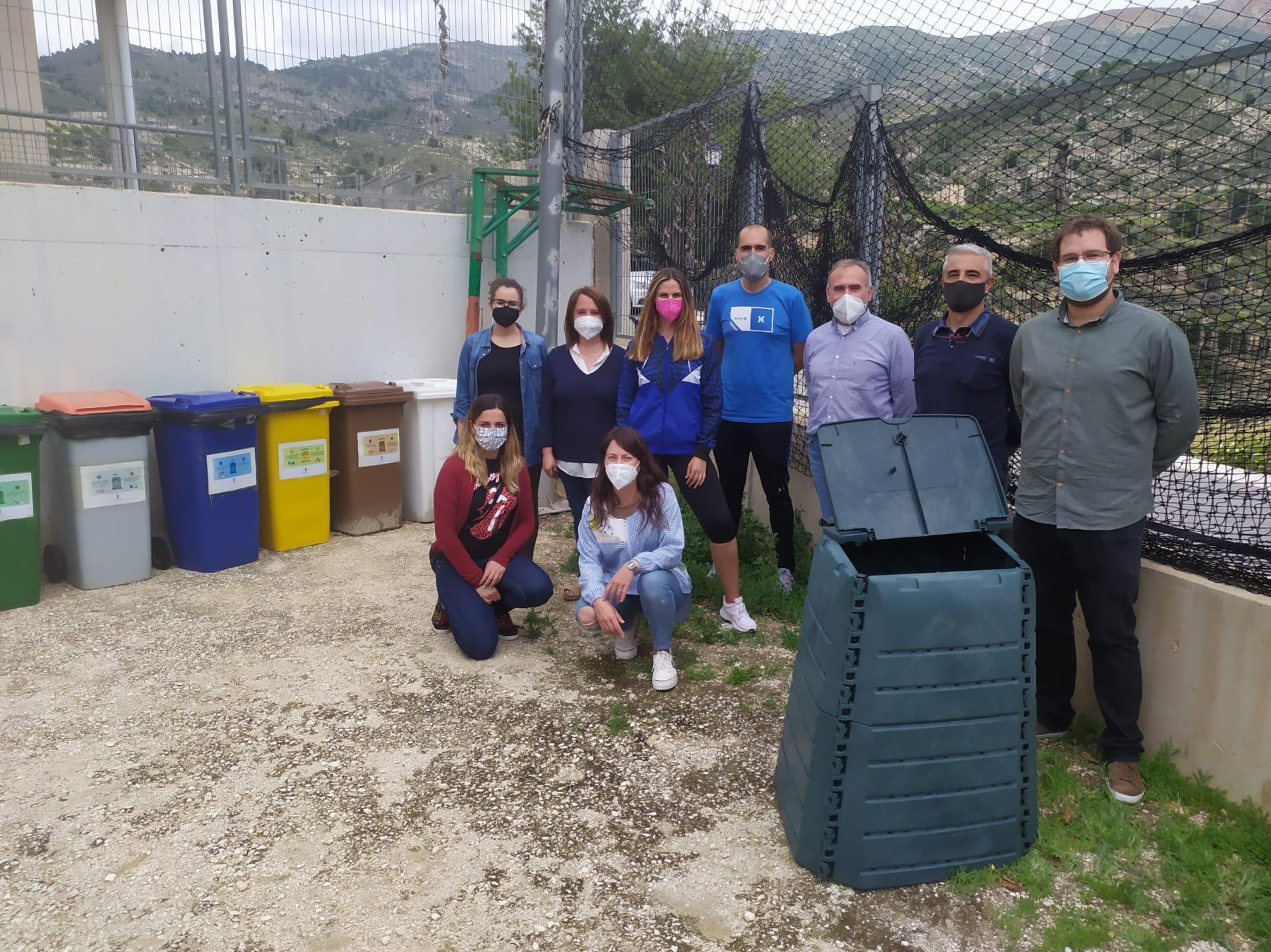
More and more schools are including a specific space in their educational program to teach young children about caring for the environment. This is the case at CEIP Luis Gosálbez in Tibi, Alicante, which has partnered with FOBESA FOBESA install a composter to help raise students' awareness of the importance of recycling and the circular economy.
In this context, company technician Álvaro Hernández traveled to the school in Tibi to train the teachers responsible for the classes in charge of the school garden on the proper use of the new composter. The compost produced will be used to fertilize the soil. Compost is a natural fertilizer created by the action of bacteria, worms, and fungi that decompose organic waste, transforming it into a fertilizer that increases soil fertility and promotes plant growth.
During the session, Hernández explained that this container must meet certain requirements—such as being well-ventilated and having the right humidity—to allow for the transformation of organic waste into compost. This transformation, he assured them, “can take between three and six months depending on the season.”
For this purpose, as has been continued, "vegetable or fruit peels, eggshells, food-stained paper, corks or bread scraps" should be used, while the deposit of "meat or fish scraps, products containing fat or dairy products" should be avoided.
Finally, Hernández conveyed to them the importance of stirring the different layers of organic matter to encourage fungi and bacteria to carry out decomposition,” adding that it was also essential to “add some water to the container to maintain adequate humidity if the organic matter appears too dry.”
Related news


Need help?
We are here for whatever you need