


30 May 2024
The promotion of biomethane projects can increase the water retention capacity of crop soils by more than 20%
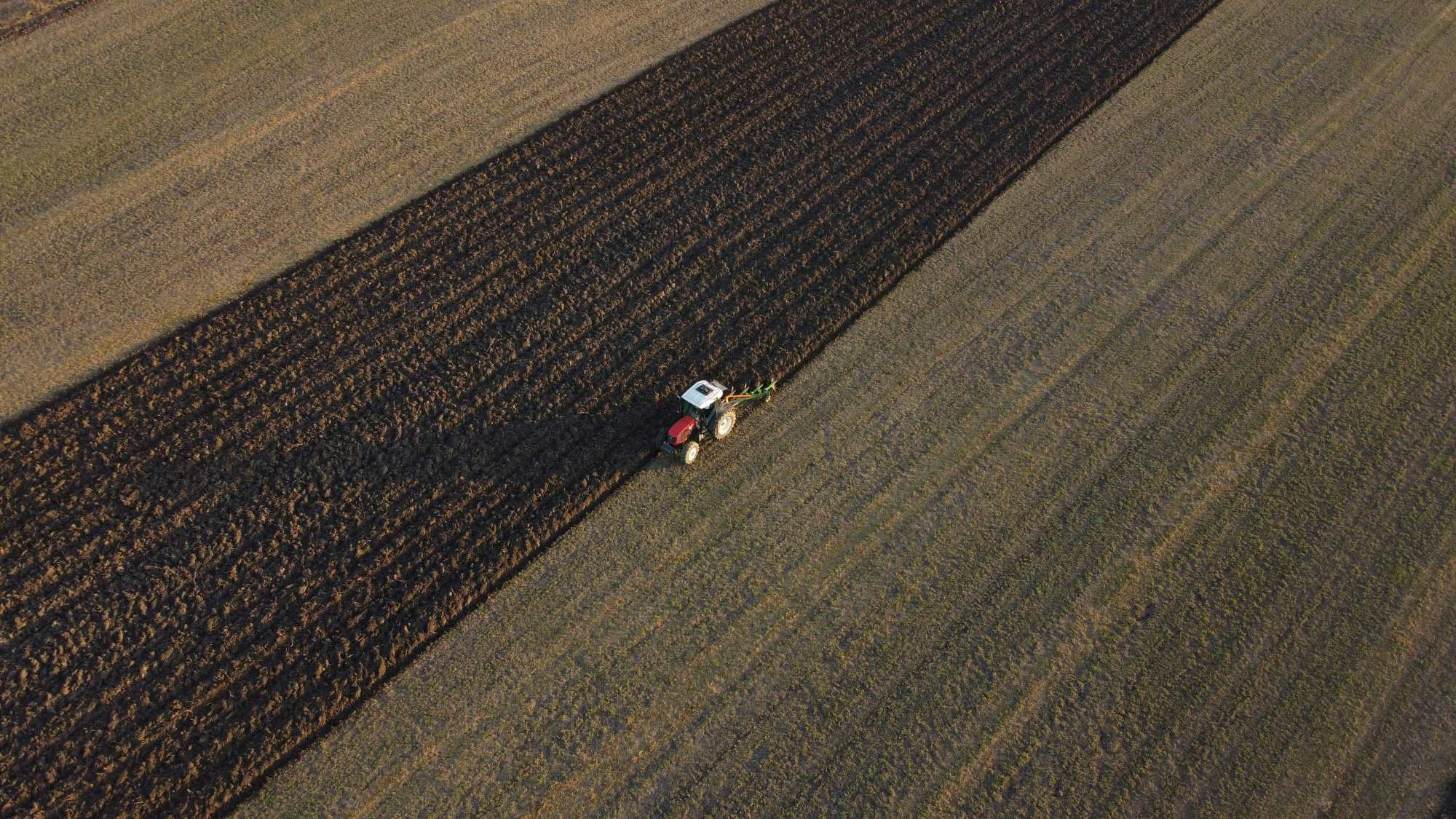
Biomethane production in rural areas is a clear example of a circular bioeconomy model. In this process, organic waste from other sectors, such as agriculture and livestock farming, is transformed into a valuable resource to generate clean energy and a byproduct, digestate, which was previously overlooked.
The biomethane plants of Biovic, The leading Spanish company in engineering and execution of sustainable energy projects, behind major initiatives in the biomethane and biogas sector in Spain, has the capacity to transform this byproduct into a key strategic element for the future of agriculture in Spain: organic fertilizers that facilitate water retention in agricultural soils, and at the same time contribute to the fight against climate change thanks to their ability to capture CO₂2 of the atmosphere. In fact, each increase of 1% in organic matter can retain up to 150,000 additional liters of water per hectare.
This is because these fertilizers add carbon to the agricultural soil, and carbon-rich soils promote water retention and reduce evaporation, a crucial factor in drought situations, such as the one affecting a significant part of Spain. Specifically, applying compost at rates of 12 to 24 t/ha increases the water retention capacity available to plants by between 221 and 451 t/ha. Other studies report increases in available water between 30 and 651 t/ha, with the highest values observed in coarse-textured soils and the lowest in clay soils.
This increase is crucial for agricultural regions facing irregular rainfall and prolonged drought conditions because, by retaining water, the irrigation needs of these areas also decrease in the same proportion.
In this regard, Biovic It has successfully implemented more than 50 projects across three continents, promoting its circular bioeconomy model.
It increases the soil's capacity to trap CO₂2 and improves the carbon footprint
The application of digestates not only improves soil fertility and water retention, increasing water availability for crops, but also significantly contributes to carbon sequestration, aligning these practices with global recommendations for resilient and sustainable agriculture. In Spain, according to the Ministry of Agriculture, Fisheries and Food (MAPA), soils have the lowest carbon content in Europe, which reduces their capacity to absorb CO₂.2. In this sense, the digestate from Biovic's biomethane plants is an innovative solution to address this problem and promote the reduction of the carbon footprint.
Luis Puchades, director of Biovic, states that “in Spain, the application of digestate is especially crucial in areas generally poor in organic matter. This treatment not only increases the soil's organic matter and improves its structure, but also provides essential macro and micronutrients, offering a double benefit: effective fertilization and greater water retention capacity.”.
Related news


Need help?
We are here for whatever you need