


1 February 2022
Obremo drives the first educational Energy Community in the Valencian Community
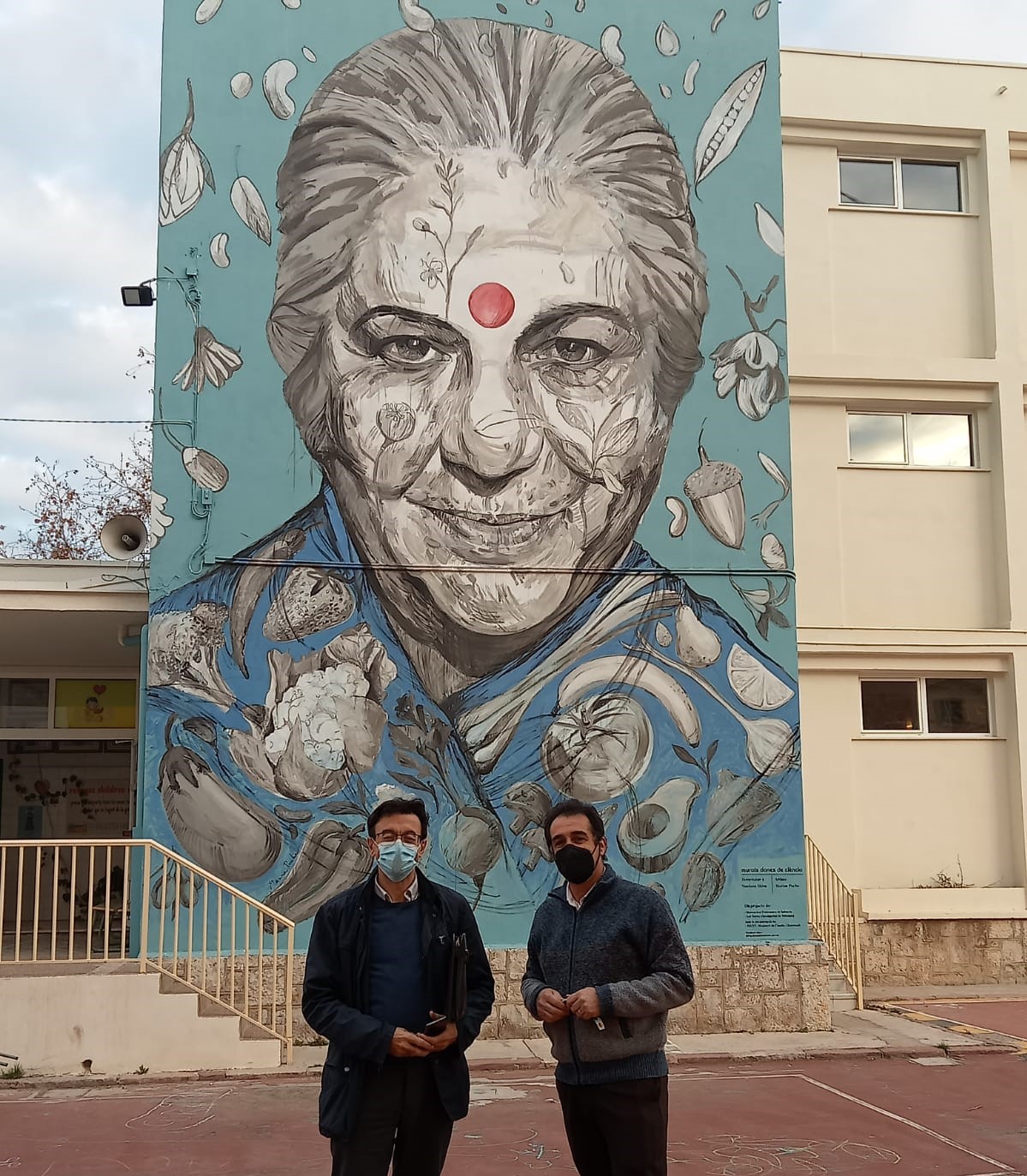
The commitment of Obremo 's commitment to being an active part of a sustainable and fair energy transformation and to materializing Sustainable Development Goals 4, 7 and 11 of the 2030 Agenda through its activity, has made it possible for the company to become the partner that will launch the 'Solidarizing the Sun' project of CEIP Ballester Fandós.
The aim of the project is to turn this school into an energy self-sufficient school and to help eradicate energy poverty through the establishment of a solidarity energy community. To this end, the management of Obremo's Renewable Energy area has already begun initial contacts with the school's technical and administrative managers to plan and collaborate on the official processing of the project, which will involve the installation of photovoltaic solar panels over the coming months. Specifically, Obremo will carry out the first of four phases, which entails the installation and commissioning of the inverter and necessary electrical connections. This initial stage will provide a power output of 13,2 kWp.
Thanks to the company's contribution to the 'Solidarizing the Sun' project, the CEIP Ballester Fandós school will become the first Educational Energy Community in the Valencian Community, meaning a sustainable, energy-self-sufficient, and environmentally friendly school. The pilot project aims to serve as a model for 200 other schools in the Valencian Community.
Solidarity network
'Solidarizing the Sun' - which has the support of different local and regional institutions, organizations such as Save The Children and the Malvarrosa Social Services - is part of the 50/50 initiative supported by the European Commission that seeks to unlock energy savings in schools and other public buildings to reduce greenhouse gas emissions.
Furthermore, other objectives of 'Solidarizing the Sun' are to promote responsible and sustainable energy consumption; to create a supportive energy community with the families of the students and the neighbors of the neighborhood, increasing the energy autonomy and sovereignty of the beneficiaries; to increase the production and use of renewable energies, and, above all, to contribute to social justice through the adaptation and transformation of reality in the face of climate change.
According to its promoters, the 50/50 methodology in the educational field contributes to the development of knowledge about the importance of saving and energy efficiency, while raising awareness and promoting sustainable practices that generate a real "change in behavior regarding energy and water consumption".
Related news


Need help?
We are here for whatever you need