


19 May 2022
Obremo's Telecommunications department recycles more than three tons of waste electrical and electronic equipment.
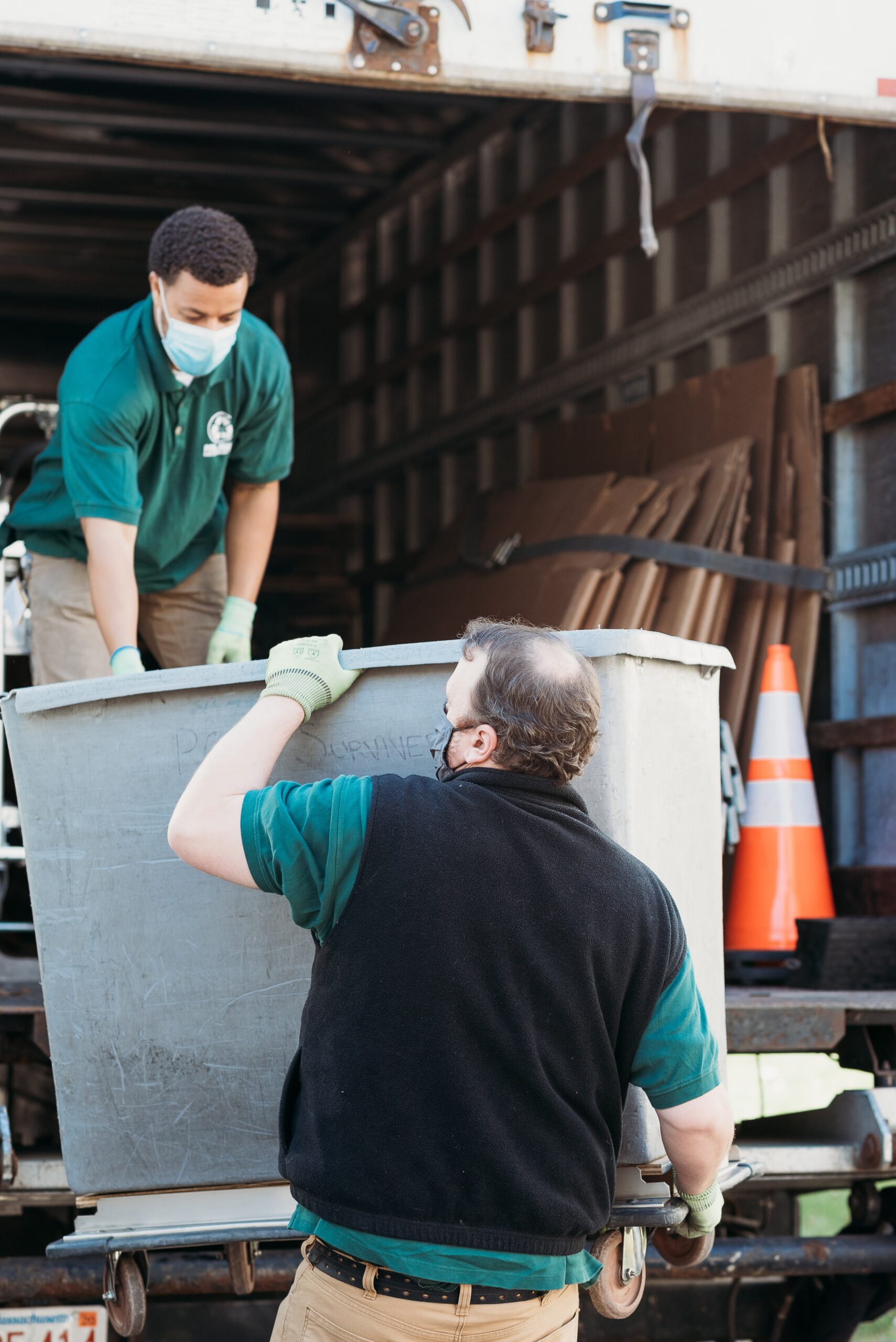
Throughout 2021, only the Telecommunications area of Obremo 's Telecommunications division alone recycled over three tons of waste electrical and electronic equipment (WEEE) nationwide, a result of its internet service installation and maintenance activities in homes and SMEs. Among other devices and materials related to connectivity, cables, routers, remote controls, and set-top boxes were recycled.
One of the company's environmental department's objectives is to contribute to the 7Rs of sustainability: recycle, redesign, reduce, reuse, repair, refurbish, and recover. Therefore, the team actively participates in the search for and contracting of authorized waste management companies nationwide that recycle and/or recover waste rather than dispose of it, prioritizing their proximity to waste-generating facilities.
The management of this WEEE (Waste Electrical and Electronic Equipment) is a clear example of circularity put into practice at Obremo: the steps followed by the waste manager are, in order: reviewing what has been removed with a view to reusing equipment that can still be used, reusing the materials in new equipment and recovering raw materials (metals). In this way, pollution from technological waste is reduced, carbon production for building equipment is reduced, and pollution in the manufacture of IT and technological equipment is reduced.
In addition to the waste generated by its own activities in the energy, telecommunications, and infrastructure sectors, such as construction and demolition waste (CDW), policies are in place to achieve optimal recycling rates for paper and cardboard, wood, plastics, and other materials. The company's commitment to promoting the circular economy and raising awareness about responsible and controlled resource consumption is realized through various initiatives that primarily focus on "zero waste." This involves the organized management of waste to reduce both its generation and its transformation into materials or goods that are reintroduced into the value chain.
It is also worth highlighting the entry into force last April of Law 7/2022, of April 8, on waste and contaminated soils for a circular economy, which updates the previous guidelines by introducing changes in the waste management model and promoting its circularity, which leads to a boost in compliance with the Sustainable Development Goals of the 2030 Agenda.
*Photo by Elly Filho on Unsplash
Related news


Need help?
We are here for whatever you need