


30 December 2020
Gimecons is making progress in the development of more sustainable and comfortable building materials
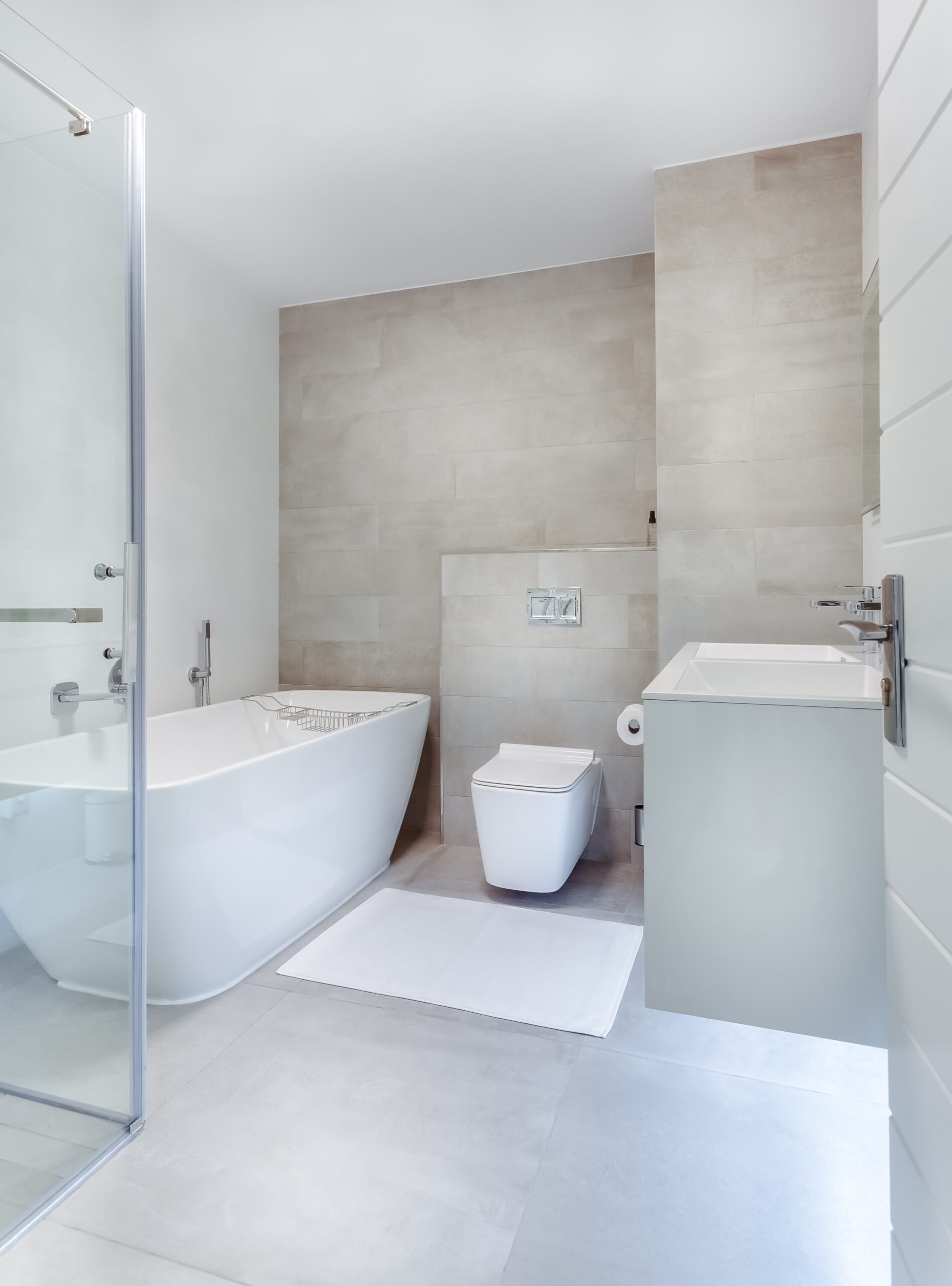
- The Confortma project team has managed to design two new ceramic products capable of regulating humidity and temperature in homes and eliminating pollutants in indoor environments
- The main objectives are to reduce energy consumption, CO2 emissions, cases of Sick Building Syndrome and the environmental impact of using waste materials, as well as eliminating volatile organic compounds.
- After months of work, Gimecons has obtained the first results of the innovative Confortma project, with which it aims to build - together with the University Institute of Ceramic Technology of the Universitat Jaume I of Castelló (IUTC-UJI) and Realonda - healthier, more energy-efficient and environmentally friendly homes environment.
All of this is achieved through the development, validation, and commercialization of two passive technologies based on ceramic materials that, among other benefits, allow for a reduction in energy consumption for heating and cooling and the CO2 emissions associated with energy consumption, as well as eliminating volatile organic compounds (VOCs) in indoor spaces and reducing cases of Sick Building Syndrome and the environmental impact of construction due to the use of waste materials.
Within this framework, as a result of the research carried out, the project team has developed two innovative building materials: a ceramic material that regulates the temperature of interior spaces and tiles capable of regulating indoor humidity and eliminating pollutants (volatile organic compounds (VOCs)). These pollutants are produced inside bathrooms and are related to components of the interior furnishings or are generated from particles such as those emitted by cigarette smoke or garbage.
The next step of the project - funded by the Ministry of Science, Innovation and Universities and FEDER funds through the Challenges-Collaboration call - will be to test these materials, already validated in the laboratory in pilot demonstrators, at the UJI facilities in order to verify their functionality on a larger scale.
Related news


Need help?
We are here for whatever you need